


Infrared Patching
Precision Repairs for Asphalt Pavement
Asphalt pavement, while durable, is not immune to wear and tear. Over time, cracks, potholes, and surface irregularities can develop due to factors like weather, traffic, and subgrade movement. Infrared patching emerges as a specialized technique designed to address specific asphalt repair needs with precision.
Infrared patching, also known as infrared asphalt repair, involves localized heating of the damaged asphalt surface to facilitate seamless repairs. Here’s how it works:
- Heating the Asphalt
A specialized infrared heater is positioned over the affected area. The heater emits infrared radiation, which penetrates the asphalt surface, softening it without causing excessive damage - Agitation
Once the asphalt reaches the desired temperature, agitation occurs. Agitation involves loosening the softened asphalt using rakes or other tools. This process allows for easy removal of the damaged material - Adding New Material
Fresh asphalt mix or recycled material is added to the agitated area. The infrared heater continues to warm the existing and new asphalt, ensuring proper bonding - Compaction & Leveling
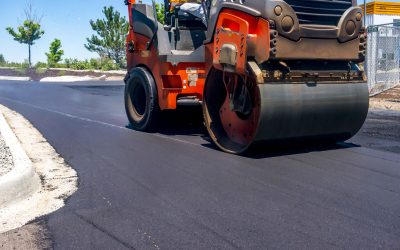
The repaired section is compacted using rollers or other compaction equipment. The result is a seamless patch that blends seamlessly with the surrounding pavement
Infrared patching shines in specific scenarios:
- Small Potholes When small potholes appear, infrared patching provides targeted repair without disturbing the entire pavement
- Utility Cuts After utility work (such as cable or pipe installation), infrared patching precisely fills the resulting cuts
- Wide Cracks Wide cracks—those beyond the scope of traditional crack sealing—benefit from infrared repairs
- Leveling Frost Heaves Frost heaves, caused by freeze-thaw cycles, create uneven surfaces. Infrared patching levels these areas effectively
- Seams and Bird Baths Seam repairs and addressing low spots (bird baths) become manageable with infrared technology
- Manhole and Water Valve Adjustments Precise adjustments around manholes and water valves ensure proper alignment
- Creating Swells Infrared can create gentle swells in asphalt surfaces, improving drainage and preventing ponding
- Tightly Alligatored or Cracked Areas For areas with tight alligator cracking, infrared patching provides a durable solution
While powerful, infrared patching has limitations:
- Severe Sub-Grade Deformation
If the subgrade (the ground beneath the asphalt) is significantly compromised, infrared patching may not suffice - Exposed Potholes
Infrared patching cannot address fully exposed potholes; they require traditional repair methods - Areas with Gateloops
Gateloops (embedded sensors for gates or barriers) interfere with infrared repairs - Proximity to Painted Metal or Wood
Within 2 feet of painted metal or wood, infrared patching is not recommended - Parking Garages
Due to truck height and access limitations, infrared patching isn’t suitable for indoor parking garages - Adjoining Landscape
Avoid using infrared near delicate landscape features
Customer Reviews
Explore our customer reviews to discover what our valued clients appreciate most about our services